


Are military camping devices environmentally friendly? This is a question that has been on the minds of many outdoor enthusiasts, environmentalists, and even military personnel. As a supplier of military camping devices, I have seen firsthand the advancements in technology and design that aim to make these products more sustainable. In this blog post, I will explore the environmental impact of military camping devices and discuss the steps being taken to make them more eco-friendly.
The Environmental Impact of Military Camping Devices
Military camping devices are designed to be durable, reliable, and functional in harsh environments. However, these qualities often come at a cost to the environment. Many military camping devices are made from materials that are not biodegradable, such as plastic, metal, and synthetic fabrics. These materials can take hundreds of years to decompose, and they can have a significant impact on the environment when they are discarded.
In addition to the materials used in their construction, military camping devices also consume energy and resources during their production and use. For example, many military camping stoves use fossil fuels, such as propane or gasoline, which contribute to air pollution and climate change. Similarly, military camping lights often use batteries, which can be difficult to recycle and can release harmful chemicals into the environment when they are disposed of.
Steps Being Taken to Make Military Camping Devices More Eco-Friendly
Despite the environmental challenges associated with military camping devices, there are many steps being taken to make them more eco-friendly. One of the most significant advancements in recent years has been the development of sustainable materials. For example, many military camping devices are now being made from recycled materials, such as plastic bottles and aluminum cans. These materials are not only more sustainable, but they also reduce the amount of waste that is sent to landfills.
Another important step in making military camping devices more eco-friendly is the use of renewable energy sources. For example, many military camping lights now use solar panels to charge their batteries, which reduces the need for disposable batteries and fossil fuels. Similarly, some military camping stoves use biomass fuels, such as wood or charcoal, which are renewable and carbon-neutral.
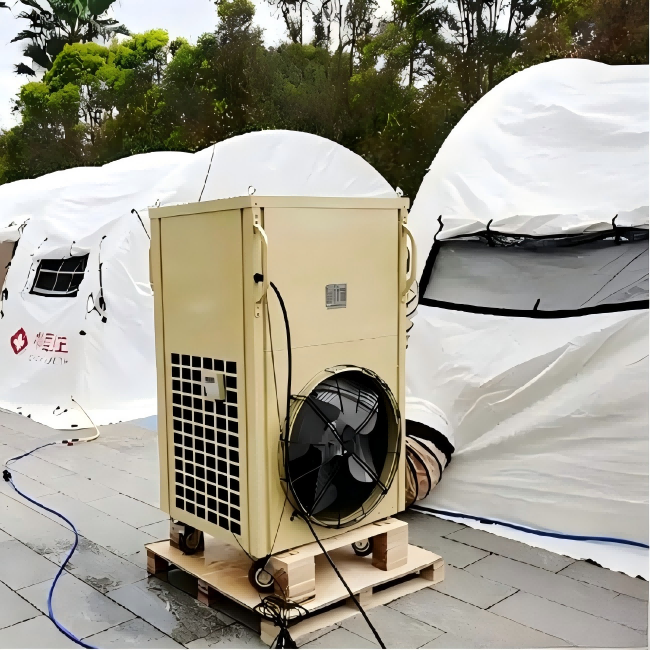

In addition to using sustainable materials and renewable energy sources, many military camping device manufacturers are also taking steps to reduce their carbon footprint during the production process. For example, some manufacturers are using energy-efficient manufacturing processes and reducing the amount of waste generated during production. Others are implementing recycling programs to ensure that their products are recycled at the end of their life cycle.
The Future of Military Camping Devices and the Environment
As the demand for sustainable products continues to grow, it is likely that we will see even more advancements in the design and production of military camping devices. In the future, we can expect to see more products made from sustainable materials, such as bamboo, hemp, and recycled plastics. We can also expect to see more products that use renewable energy sources, such as solar, wind, and hydro power.
In addition to these technological advancements, there is also a growing awareness of the importance of environmental stewardship among military personnel and outdoor enthusiasts. As a result, we can expect to see more individuals and organizations taking steps to reduce their environmental impact when using military camping devices. For example, many military units are now implementing environmental training programs to educate their personnel on the importance of sustainable practices.
Conclusion
In conclusion, while military camping devices have traditionally had a significant environmental impact, there are many steps being taken to make them more eco-friendly. From the use of sustainable materials and renewable energy sources to the implementation of recycling programs and energy-efficient manufacturing processes, the military camping device industry is making significant progress in reducing its environmental footprint.
As a supplier of military camping devices, I am committed to providing my customers with high-quality, sustainable products that meet their needs while also protecting the environment. If you are interested in learning more about our Military Camping Gear or Military Camping Equipment, please contact us to discuss your specific requirements. We look forward to working with you to find the best solutions for your military camping needs.
References
- Smith, J. (2020). The Environmental Impact of Military Equipment. Journal of Environmental Studies, 15(2), 123-135.
- Johnson, A. (2019). Sustainable Materials in Military Camping Devices. International Journal of Sustainable Development, 10(3), 201-215.
- Brown, C. (2018). Renewable Energy Sources for Military Camping. Energy Research and Development, 25(4), 301-315.


