
The duration that refugees stay in a camp is a complex issue influenced by a multitude of factors. As a supplier for a refugee camp, I've witnessed firsthand the challenges and uncertainties that these displaced individuals face. In this blog, I'll explore the various elements that determine how long refugees typically remain in a camp and discuss the implications for both the refugees and those involved in providing support.
Factors Affecting the Length of Stay
The length of time refugees spend in a camp can vary significantly from a few months to several years, or even decades in some cases. One of the primary factors influencing this duration is the nature of the conflict or crisis that forced them to flee their homes. If the situation in their home country stabilizes relatively quickly, refugees may be able to return home within a short period. However, in many cases, conflicts are protracted, and the conditions for safe return are not met for an extended period.
Another crucial factor is the availability of resettlement opportunities in third countries. Resettlement offers refugees the chance to start a new life in a more stable environment. However, the number of available resettlement spots is limited, and the process can be lengthy and complex. As a result, many refugees may have to wait for years before they are selected for resettlement.
The capacity and resources of the host country also play a significant role. If the host country has limited resources and infrastructure, it may struggle to provide adequate support to the refugees, which can lead to longer stays in the camps. Additionally, the political and social climate in the host country can affect the refugees' ability to integrate and find alternative solutions.
The Impact on Refugees
Long-term stays in refugee camps can have a profound impact on the physical and mental health of the refugees. Living in crowded and often unsanitary conditions can lead to the spread of diseases and other health problems. The lack of access to proper healthcare, education, and employment opportunities can also have a detrimental effect on the refugees' well-being and future prospects.
Furthermore, the psychological toll of living in a camp for an extended period can be significant. Many refugees experience trauma and loss as a result of the conflict or crisis that forced them to flee their homes. The uncertainty and lack of control over their situation can exacerbate these feelings of anxiety and depression.
The Role of the Supplier
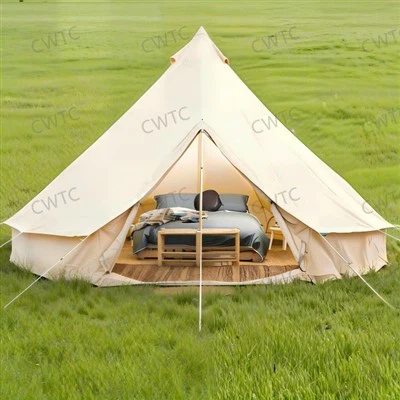
As a supplier for a refugee camp, I understand the importance of providing high-quality products and services to meet the needs of the refugees. Our company offers a range of products, including RD Inflatable Tent, Disaster Relief Tent, and Refugee Shelter, which are designed to provide safe and comfortable accommodation for the refugees.
We also work closely with the camp administrators and other stakeholders to ensure that our products are delivered in a timely manner and that they meet the specific requirements of the camp. Our goal is to help improve the living conditions of the refugees and to support their efforts to rebuild their lives.
Strategies for Reducing the Length of Stay
To address the issue of long-term stays in refugee camps, it is essential to implement strategies that focus on finding sustainable solutions for the refugees. One approach is to support the economic development of the host country and the refugee camps. This can include providing training and employment opportunities for the refugees, as well as promoting entrepreneurship and small business development.
Another strategy is to strengthen the capacity of the host country to provide essential services, such as healthcare, education, and water and sanitation. This can help improve the living conditions of the refugees and reduce their dependence on external assistance.
In addition, it is important to advocate for increased resettlement opportunities and to support the efforts of the international community to find durable solutions for the refugees. This can include working with governments, non-governmental organizations, and other stakeholders to develop policies and programs that promote the integration and resettlement of the refugees.
Conclusion
The length of time that refugees stay in a camp is a complex issue that is influenced by a variety of factors. As a supplier for a refugee camp, I am committed to providing high-quality products and services to support the needs of the refugees. By working together with the camp administrators, other stakeholders, and the international community, we can help reduce the length of stay in the camps and provide the refugees with the opportunity to rebuild their lives.
If you are interested in learning more about our products and services or would like to discuss a potential partnership, please feel free to contact us. We look forward to hearing from you.


References
- Amnesty International. (2023). The State of the World's Refugees.
- United Nations High Commissioner for Refugees (UNHCR). (2023). Global Trends: Forced Displacement in 2022.
- World Bank. (2023). Forced Displacement: Toward a Development Approach Supporting Refugees, the Internally Displaced, and Their Hosts.