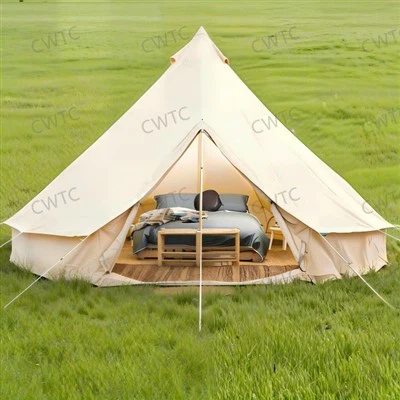

Hey there, fellow camping enthusiasts! I'm an inflatable camping tent supplier, and I often get asked this question: "Can I use an inflatable camping tent in the winter?" Well, let's dive right into it and find out.
First off, let's talk about the basics of inflatable camping tents. These tents are super convenient. You don't have to deal with all those poles and complicated set - up processes. Just blow them up, and you're good to go. They come in different shapes and sizes, like the Inflatable Glamping Tent which is perfect for a more luxurious camping experience, and the Inflatable Family Camping Tent that can accommodate the whole family.
Now, the big question: can they be used in winter? The answer is yes, but with some considerations.
Insulation
One of the most important factors is insulation. In winter, temperatures can drop significantly, and you need a tent that can keep you warm. Most inflatable tents are made with materials that have some level of insulation. However, it might not be enough for extremely cold conditions. You can add extra insulation by using thermal blankets inside the tent. These blankets can trap heat and make the tent much warmer. Some people also use sleeping bags with a high - rated temperature comfort level. If you're planning to camp in really cold areas, make sure to invest in good quality insulation materials.
Wind Resistance
Winter often brings strong winds. Inflatable tents are generally designed to be quite sturdy, but the wind can still be a challenge. The shape of the tent plays a big role in its wind resistance. Tents with a low - profile design are better at withstanding strong winds. You should also make sure to stake down the tent properly. Use heavy - duty stakes and guy lines to keep the tent firmly in place. If the wind is too strong, you might want to consider adding some extra support structures around the tent.
Snow Load
In areas where it snows, snow can accumulate on the tent. If the snow load gets too heavy, it can cause the tent to collapse. Inflatable tents usually have a certain snow load capacity, but it's important to check the specifications. To prevent excessive snow build - up, you can gently brush off the snow from the tent regularly. Make sure to do it carefully so as not to damage the tent.


Condensation
Another issue in winter camping is condensation. When warm, moist air inside the tent meets the cold walls, it can form condensation. This can make the inside of the tent damp and uncomfortable. To reduce condensation, you can use a ventilation system. Many inflatable tents come with vents that can be opened to allow fresh air to circulate. You can also try to keep the inside of the tent as dry as possible. For example, don't dry wet clothes inside the tent.
Advantages of Using Inflatable Tents in Winter
Despite the challenges, there are some advantages to using inflatable tents in winter. They are generally quicker to set up than traditional tents. In cold weather, you don't want to be spending a long time outside setting up your tent. With an inflatable tent, you can get it up in no time and get inside to warm up. Also, they are often more spacious and comfortable. The inflatable structure can provide a more open and roomy interior compared to some traditional tents.
Disadvantages
However, there are also some disadvantages. The inflation system might be affected by the cold. The air inside the tent can contract in cold temperatures, which might cause the tent to lose some of its shape. You might need to check the inflation regularly and top it up if necessary. Also, if the tent gets punctured in winter, it can be more difficult to repair because the materials might be more brittle in the cold.
Tips for Winter Camping with an Inflatable Tent
- Choose the Right Location: Look for a sheltered area, like behind a hill or a group of trees. This can protect the tent from strong winds and snow.
- Bring the Right Gear: Along with the tent, bring extra blankets, warm sleeping bags, and a good heater if allowed.
- Check the Weather Forecast: Before you go, make sure to check the weather forecast. If there are extreme weather conditions predicted, it might be better to postpone your trip.
So, in conclusion, you can definitely use an inflatable camping tent in the winter. It just takes a bit of preparation and knowledge. If you're interested in purchasing an inflatable camping tent for your winter adventures, I'd love to talk to you. Whether you're looking for a Inflatable Glamping Tent or a Inflatable Family Camping Tent, we have a wide range of options to suit your needs. Feel free to reach out to discuss your requirements and let's make your winter camping experience a great one!
References
- "Camping in Cold Weather" by Outdoor Gear Lab
- "Winter Camping Basics" from The National Outdoor Leadership School