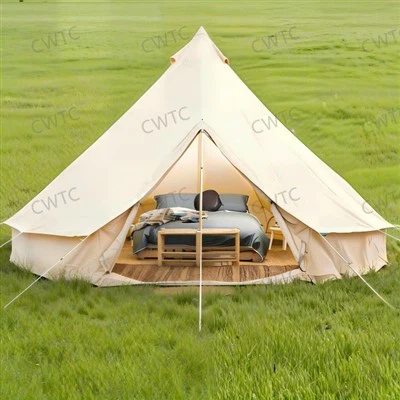

As a supplier of Refugee Shelters, I've witnessed firsthand the crucial role these shelters play in supporting refugees in obtaining the necessary documentation. This process is not only vital for the legal status and well - being of refugees but also for their integration into new communities. In this blog, I'll explore how refugee shelters contribute to this important aspect of refugee support.
Understanding the Need for Documentation
Refugees often flee their home countries due to conflict, persecution, or natural disasters. In the chaos of displacement, they may lose their personal documents, or in some cases, they may never have had proper documentation in the first place. Documentation such as identification cards, birth certificates, and refugee status certificates are essential for accessing basic services, such as healthcare, education, and employment. It also provides a sense of security and legal recognition.
The Role of Refugee Shelters
Refugee shelters serve as a safe haven for displaced individuals. They offer a stable environment where refugees can start to rebuild their lives and address their immediate needs. When it comes to documentation, shelters play several key roles.
Information and Education
One of the primary ways refugee shelters support refugees in obtaining documentation is by providing information and education. Shelter staff members are trained to understand the documentation requirements in the host country. They can explain the process of applying for different types of documents, such as refugee status determination, identification cards, and travel documents.
For example, in many host countries, refugees need to go through a formal process to be recognized as refugees. Shelter staff can help refugees understand the eligibility criteria, gather the necessary evidence, and complete the application forms. They can also provide information on how to obtain other important documents, such as birth certificates for children born in the shelter.
Facilitating Access to Services
Refugee shelters can act as a bridge between refugees and the relevant government agencies or non - governmental organizations (NGOs) that are responsible for issuing documentation. They can help refugees make appointments with these agencies, accompany them to the offices, and provide translation services if needed.
Some shelters also have partnerships with local legal aid organizations. These partnerships can offer legal advice and representation to refugees during the documentation process. For instance, a legal aid lawyer can review a refugee's case, ensure that all the necessary documents are in order, and represent them in front of the refugee status determination committee.


Creating a Supportive Environment
In addition to providing information and facilitating access to services, refugee shelters create a supportive environment that encourages refugees to pursue documentation. The staff in the shelters build trust with the refugees, which makes it easier for them to share their concerns and ask for help.
The shelters also provide a sense of community. Refugees can share their experiences with others who are going through similar situations. This peer support can be very valuable, as it can reduce the stress and anxiety associated with the documentation process.
Our Products: Supporting Documentation Efforts
As a supplier of refugee shelters, we understand the importance of providing high - quality products that can contribute to the overall well - being of refugees. Our Refugee Shelter is designed to provide a safe and comfortable living environment. A stable living environment is essential for refugees to focus on obtaining documentation.
Our RD Inflatable Tent is another product that can be used in refugee camps. These tents are easy to set up and can provide quick shelter in emergency situations. They can be used as temporary offices or meeting spaces for refugees to access information about documentation.
The Disaster Relief Tent is also a valuable asset. It can be used to house workshops or training sessions on documentation processes. For example, we can set up a tent where legal experts can conduct seminars on how to apply for refugee status or obtain identification documents.
Challenges in Supporting Documentation
Despite the efforts of refugee shelters, there are several challenges in supporting refugees in obtaining documentation. One of the main challenges is the complexity of the documentation process. Different countries have different requirements and procedures, which can be confusing for refugees.
Another challenge is the lack of resources. Many refugee shelters operate on limited budgets, which can make it difficult to provide comprehensive support. For example, they may not have enough staff to accompany all refugees to government offices or provide translation services.
There is also the issue of language barriers. Refugees may not speak the language of the host country, which can make it difficult for them to understand the documentation requirements and communicate with government officials.
Overcoming Challenges
To overcome these challenges, refugee shelters need to collaborate with various stakeholders. This includes government agencies, NGOs, and international organizations. By working together, they can share resources and expertise to improve the documentation process.
For example, shelters can partner with local schools or language centers to provide language training to refugees. This can help them better understand the documentation requirements and communicate with government officials.
Shelters can also advocate for simplified documentation processes. They can work with government agencies to streamline the procedures and reduce the administrative burden on refugees.
Conclusion
Refugee shelters play a vital role in supporting refugees in obtaining documentation. Through information and education, facilitating access to services, and creating a supportive environment, they help refugees navigate the complex process of obtaining legal recognition.
As a supplier of refugee shelters, we are committed to providing high - quality products that contribute to the overall well - being of refugees. Our products, such as the Refugee Shelter, RD Inflatable Tent, and Disaster Relief Tent, are designed to support the efforts of refugee shelters in this important area.
If you are interested in learning more about our products or have any questions regarding refugee shelters and their role in supporting documentation, we encourage you to contact us for a procurement discussion. We are here to provide the best solutions for your needs.
References
- Betts, A., & Collier, P. (2017). Refuge: Transforming a Broken Refugee System. Oxford University Press.
- UNHCR. (2022). Global Trends: Forced Displacement in 2021. United Nations High Commissioner for Refugees.
- International Rescue Committee. (2023). Refugee Integration: A Guide for Host Communities. International Rescue Committee.