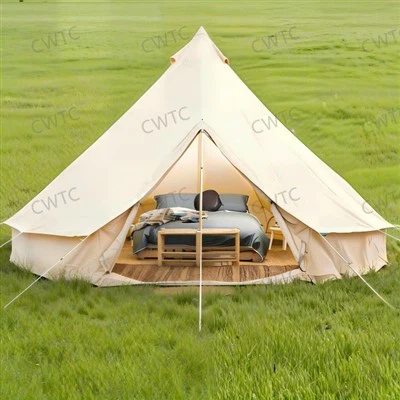

Hey there! I'm a supplier for a Refugee Shelter, and I've seen firsthand what the living conditions in these shelters are like. It's a topic that's close to my heart, and I think it's important to share some insights.
The Basics of a Refugee Shelter
First off, let's talk about the shelters themselves. There are different types of shelters that we supply, like the RD Inflatable Tent. These inflatable tents are great because they're easy to set up and can be quickly deployed in emergency situations. They're also pretty durable, which is crucial when you're dealing with harsh weather conditions.
Another option is the Disaster Relief Tent. These tents are designed specifically for disaster relief efforts and can provide a safe and secure place for refugees to stay. They're usually made of high - quality materials that can withstand wind, rain, and even some minor impacts.
And then there's the Un Refugee Tent. These are often used in large - scale refugee camps and are built to meet certain international standards. They're spacious enough to accommodate a family or a small group of people.
Shelter Conditions
Inside the shelters, the living conditions can vary a lot. Space is often limited. In a typical tent, you might find a family of four or five sharing a small area. There's usually just enough room for some basic bedding, like thin mats and blankets.
Ventilation can be a big issue. Since the tents are often packed closely together, air circulation can be poor. This can lead to stuffy and uncomfortable conditions, especially during hot and humid weather. And in the winter, the lack of proper insulation means that it can get really cold inside the tents.
Sanitation is another major concern. There are usually communal toilets and washing areas in the refugee camps. However, the facilities are often overcrowded and not always well - maintained. This can lead to the spread of diseases like diarrhea, cholera, and other water - borne illnesses.
Food and Water
Food is provided in the refugee shelters, but the quality and quantity can be inconsistent. Most of the time, it's basic rations like rice, beans, and some canned goods. Fresh fruits and vegetables are a luxury that's not always available. And let's not forget about the water situation. Clean drinking water is essential, but in many refugee camps, it's a scarce resource. Water has to be transported from far away, and there are often long queues at the water distribution points.
Healthcare
Healthcare in refugee shelters is often under - resourced. There are usually basic medical facilities, but they might not have all the necessary equipment and medications. Doctors and nurses are also in short supply. This means that serious medical conditions can go untreated, and minor illnesses can quickly turn into major health problems.
Social and Psychological Aspects
Living in a refugee shelter can be incredibly stressful. Refugees have often fled their homes due to war, persecution, or natural disasters. They've left behind everything they know and are now living in an unfamiliar environment. There's a sense of uncertainty about the future, and many people suffer from anxiety and depression.
The social fabric in the refugee camps is also important. People come from different backgrounds and cultures, and there can be some tension and conflicts. However, there are also many instances of people coming together to support each other. Community centers are sometimes set up where people can gather, share stories, and engage in activities.
Education
Education is often neglected in refugee shelters. There might be some makeshift schools, but they lack proper infrastructure and teaching materials. Teachers are also hard to come by. This is a big problem because education is crucial for the future of these young refugees. It gives them hope and the skills they need to build a better life.


What Can Be Done?
As a supplier, I know that there's a lot we can do to improve the living conditions in refugee shelters. We can continue to develop better and more sustainable shelters. For example, we can work on improving the insulation and ventilation of the tents. We can also provide better quality bedding and other essential items.
In terms of food and water, we can explore more efficient ways of distributing resources. This might involve setting up local food production projects or improving the water purification systems in the camps.
Healthcare can be improved by partnering with medical organizations to provide more doctors, nurses, and medical supplies. And for education, we can collaborate with educational institutions to set up proper schools and provide training for teachers.
Why You Should Consider Buying from Us
If you're interested in making a difference in the lives of refugees, we're here to help. We're a reliable supplier of high - quality refugee shelters and related products. Our shelters are designed to meet the specific needs of refugees, and we're committed to providing the best possible solutions.
Whether you're a non - profit organization, a government agency, or an individual looking to contribute, we can work with you. We offer a range of products at competitive prices, and we're always open to customizing solutions based on your requirements.
If you're interested in learning more about our products or have any questions, feel free to reach out. We're eager to start a conversation and see how we can work together to improve the living conditions in refugee shelters.
References
- International Rescue Committee. (2023). Living Conditions in Refugee Camps.
- United Nations High Commissioner for Refugees. (2023). State of the World's Refugees.