

Picking the right Inflatable Boat is mostly about finding a good balance between carry-ability, how it behaves on water, how long the materials last , and your budget, kind of like a moving target. If you choose well, that Inflatable Boat can keep working for you for years, whether it is leisure trips, fishing days, rescue tasks, or even professional jobs. Before you buy anything, it helps to look at a few main things first.
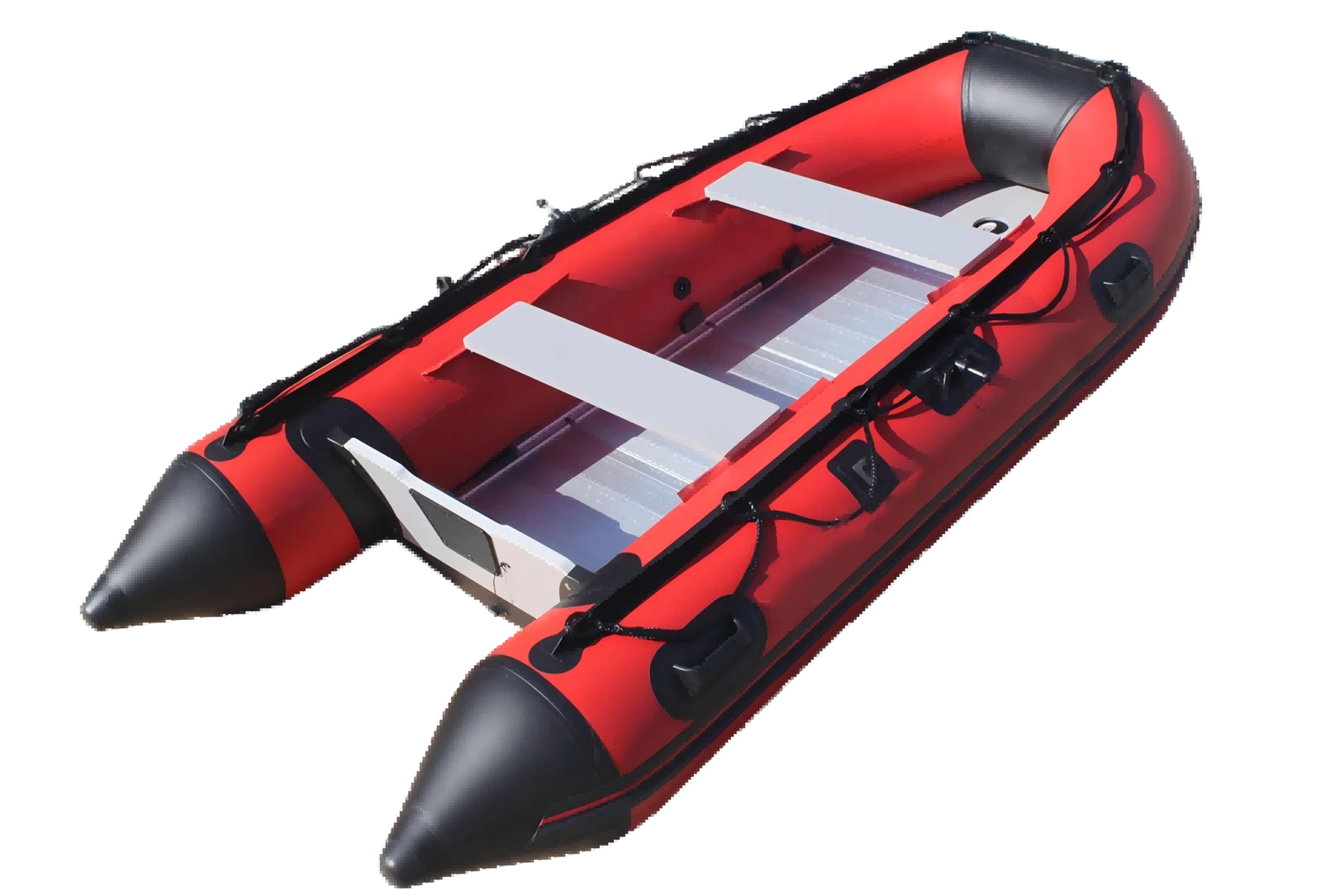
1. Pick the Right Floor Style
The floor design of an Inflatable Boat matters more than people think. It affects how easy it is to pack, how fast it is to set up, the storage volume, and the overall ride and performance on the water. Hard-bottom inflatable boats-usually with a deep V-shaped hull-tend to be quicker and more responsive. You'll often see fiberglass, composite plastic, or aluminum used here. Still, these models commonly need a trailer or lifting support for moving and storing.
On the other hand, soft-bottom inflatable boats fold down into smaller, easier to carry shapes. They're simpler for storage and transport, but you may notice less speed control and a less "secure" feel when you're underway. If you expect your Inflatable Boat to plane and push beyond 5 mph (8 km/h), then a semi-rigid floor or a reinforced setup is basically the requirement.
- Soft-Bottom Dinghies
Entry-level inflatable dinghies are often the easiest inflatable options to manage. They work best in calm water situations, along the shoreline, for fishing, or when you're out camping. Their inflatable floors usually stay in place, so there's no real floor removal needed during storage. Many of these Inflatable Boat versions are pedal-friendly, paddle-driven , or supported by small electric motors. The whole point is simple operation and a lower price.
- Roll-Up Inflatable Boats
Roll-up Inflatable Boat models also keep the floor attached, so there's no need to take anything apart during transport. They typically use a fabric floor with wooden slats and include a transom section if you want to use a small outboard engine. Deployment is fast, the learning curve is gentle, but the flat-bottom shape tends to limit speed. Because of that, they are mostly suited to harbors and very calm waters, rather than open-water runs.
Sport Inflatable Boats, kinda, start with a design that uses removable floors made from composite panels, plastic, or aluminum. After everything is put together and inflated, the hull settles into a shallow V shape. That little V is what helps with tracking , turning, and even water drainage. In general, these inflatables can take something like 6–25 HP outboard engines, and they tend to feel like a pretty solid deal if you care about performance.
- High-Pressure Inflatable Floor Boats
If you swap a solid deck for a high-pressure inflatable one, you basically get a lighter still capable inflatable boat. These versions usually aim for both speed of use and easy carrying. The high-pressure floor inflates to around 11 psi and, when it's deflated, it can be rolled up and put inside the boat. Because the whole setup stays light, even smaller engines can still reach planing speeds, so they can feel more efficient overall.
- HP-V Inflatable Boats
HP-V tech uses a fixed high-pressure V-shaped floor. The goal here is performance that is close to RIBs, without the same bulk. This inflatable boat style can improve comfort, handling, and stability. It does that by keeping the center of gravity lower, while the structure still keeps enough flexibility, plus shock absorption when conditions get choppy.
- RIBs and Rigid Hull Boats
Rigid Inflatable Boats, often just called RIBs, bring together fiberglass hulls with inflatable tubes. The result is speed and control that feels crisp. They also handle rougher water and higher-speed runs pretty well. Still, portability is kinda constrained because the hull can't be folded. So these inflatable boat options usually fit best if you've got storage space, or you can rely on trailer access regularly.
2. Select the Right Material: PVC Or Hypalon
For an Inflatable Boat, the hull material should fit your main surroundings, like where you actually use it most. The big choices you'll see are PVC and Hypalon, not much else.
A PVC Inflatable Boat model is usually strong but still fairly light, also it tends to be budget-friendly. A lot of these are heat-welded so the seams can end up stronger than the base fabric. PVC surfaces are dense, so you can run lower air pressure while the boat still holds its shape, more or less.
On the other hand, Hypalon Inflatable Boat models are often praised for superior UV resistance, plus they hold up better over time. That makes them a good match for tropical places or any area with heavy sun exposure. They're usually put together with high-strength adhesives, so you need solid workmanship, otherwise the result might not feel as reliable.
In the end, both materials can be dependable, assuming they're made correctly. The real difference is quality control and proper build practices.
3. Buy the biggest inflatable boat you can afford, and that still fits your space
Sure, "bigger is always better" is kind of a myth, but the dimensions really matter for comfort, and for how the boat behaves out there. A longer inflatable boat tends to track smoother, hold more cargo weight, and get on plane more easily. Under 9 feet it can still plane, but it often feels a little less steady. Around 10–11 feet you usually get gentler acceleration, better equilibrium, and more usable inside room.
Smaller inflatable boat models are simpler to stow on decks , swim platforms , or even on a vehicle. They are a good choice when storage space is tight, or when transport weight is a dealbreaker. Bigger models though, tend to give you more headroom, improved carrying capacity, and usually a drier, more relaxed ride.
Look for high-pressure inflatable, and HP-V inflatable boat designs if weight stays high on your priority list. They stay comparatively lightweight, they pair well with engines anywhere from 4 HP up to 25 HP, and they're easier to manage when you're launching, or pulling the boat back out.
Final Thoughts
Choosing the right inflatable boat isn't that hard if you pin down what you actually need. Think about how you plan to use it, where you'll run it, and how much portability matters to you, plus how quickly you expect it to move. A solidly built inflatable boat can easily last 10 years or more with routine care. If you match the size, the material , and the overall layout, you will end up with an inflatable boat that suits your needs and keeps working dependably in just about any scenario.


