

In recent years, governments and non governmental organizations (NGOs) have had to face a bigger stream of emergencies. Natural disasters, public health events, population displacement , and regional conflicts all push for rapid and orderly responses. In these moments, being able to put shelters in place quickly is critical. That's why the Inflatable Tent is now a trusted go-to solution for emergency readiness almost everywhere.
Quick Setup When Time Matters
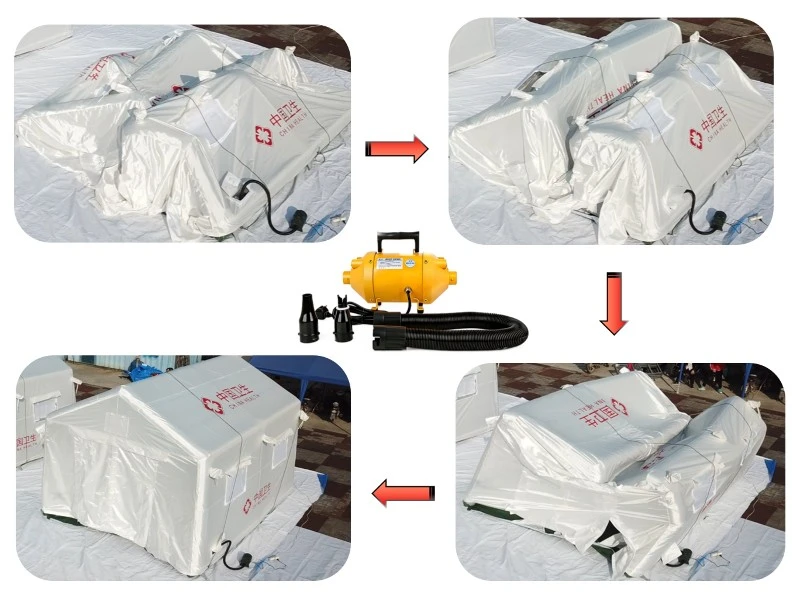
One of the biggest reasons emergency teams favor inflatable shelters is speed. An Inflatable Tent can be put into position within minutes, and it typically needs only a small group of people. There's no heavy gear, no complicated framing. After the air is pumped into the built in air beams , the shelter firms up and it's ready for daily use.
That kind of setup pace really matters during earthquakes, floods, hurricanes, or sudden humanitarian shocks. In remote zones , or areas that are damaged where access is limited, inflatable structures deliver immediate cover , and also a practical work area.
Flexible Use In Several Scenarios
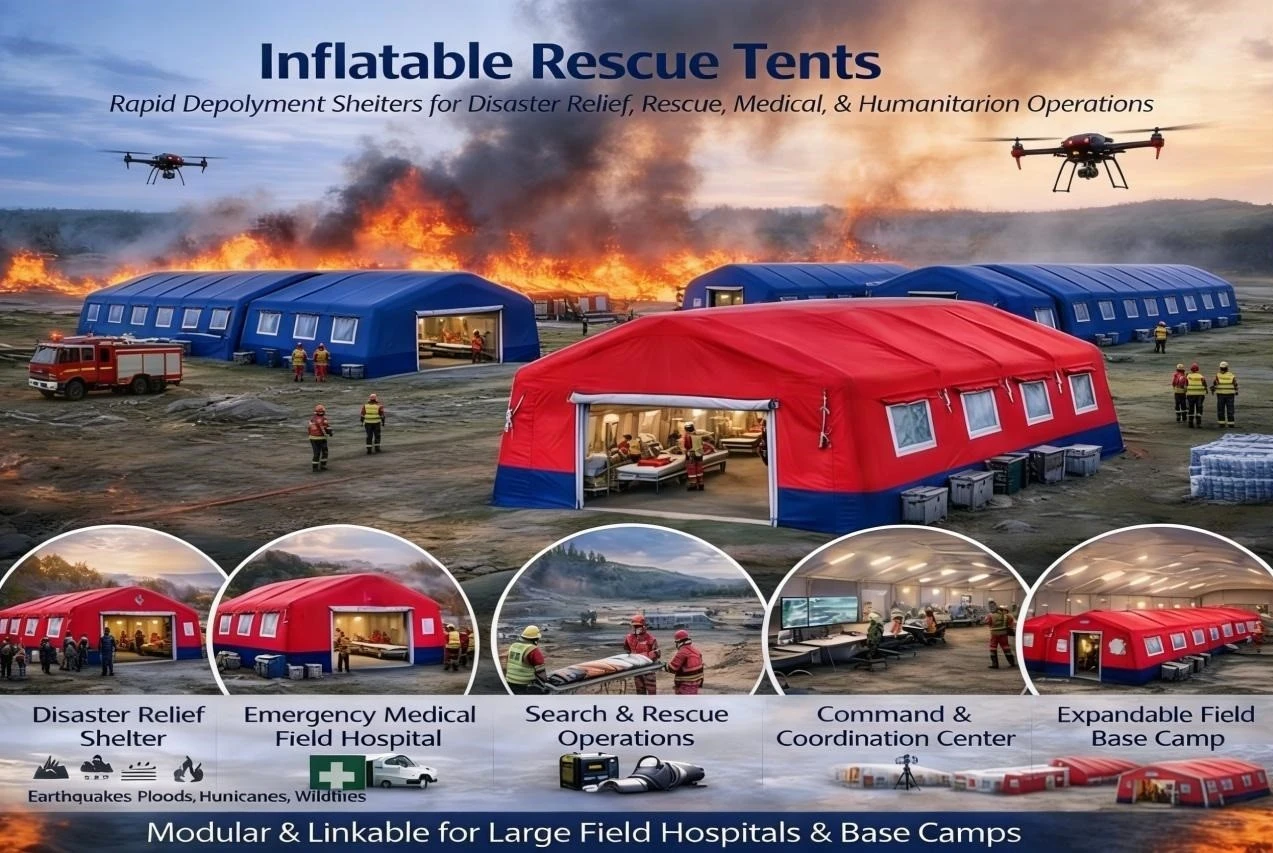
One of the biggest perks of an Inflatable Tent is how it can be used in, like, different situations. You can keep basically one tent design and still make it work for a lot of tasks, depending on the mission needs. People commonly use these setups as temporary dwellings for families displaced, or as field hospitals , mobile clinics, command centers, and sometimes even as storage for relief goods.
In refugee camps, or in disaster affected areas, inflatable tents can also become classrooms, or child friendly spaces. That kind of flexibility makes it easier for governments and NGOs to align on standard equipment while they still move fast, because conditions on the ground can change pretty quickly.
Durable Materials For Tough Weather
Most modern inflatable tents are built from high performance fabrics , like PVC coated or TPU based materials. This kind of fabric gives strong shelter against rain , sun exposure and strong wind. A lot of models are also flame retardant , and they're designed for continued outdoor use, not just short-term setup.
Reinforced seams and a dependable anchoring system help the Inflatable Tent stay steady even when the weather turns rough. Because of that durability , the same tent can be reused across multiple operations, which usually means better long-term value overall.

Efficient Logistics And Lower Costs
When you compare inflatable tents to traditional frame structures, they tend to be lighter and end up more compact once packed up. That usually cuts down on transportation costs, storage costs too, and honestly it matters a lot when you're dealing with big emergency response efforts. Also, installation becomes way easier so you don't need as many people, and there's less ground prep work required before you can use them.
So by picking an Inflatable Tent , organizations can conserve time, reduce labor demands , and stretch their logistical resources further while still keeping a solid shelter capacity.
A practical solution for future preparedness
Since climate change keeps pushing up the number of extreme weather events, the need for dependable emergency shelter solutions keeps growing. Inflatable tents give you something reusable, scalable, and easy to adapt for longer term preparedness planning.
If governments and NGOs invest in inflatable tent systems, they're not only able to respond to what's happening right now, they also improve their readiness for what might come next.

The growing use of inflatable emergency shelters shows a real move toward disaster response that's quicker, and more flexible. With rapid deployment, multi-purpose design, and dependable durability, the Inflatable Tent has become sort of a key piece of modern emergency preparedness for governments and humanitarian organizations across the world.


